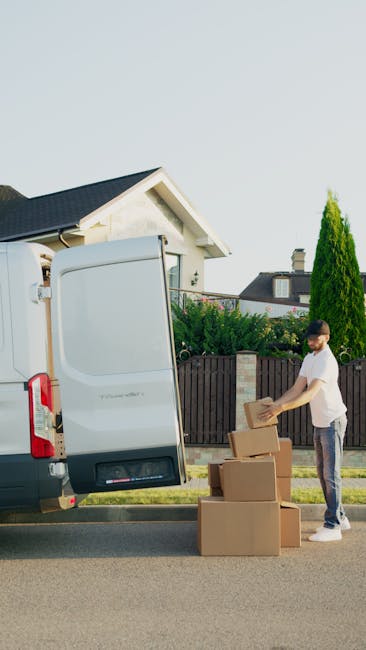
Tokyngton Lane man with van routes for tight access moves

If you are trying to move along Tokyngton Lane and the access looks awkward, cramped, or just plain fiddly, you are not alone. Tight streets, narrow turns, parked cars, awkward kerbs, and shared entrances can turn a simple job into a stressful one very quickly. That is where Tokyngton Lane man with van routes for tight access moves really earn their keep: the route is planned around the property, not the other way round.
In practical terms, this means choosing the right van size, the right approach road, the right arrival time, and the right loading method so the move runs smoothly without blocking neighbours or risking damage. In this guide, you will find a clear explanation of how these moves work, what makes them different, and how to prepare so the day feels controlled rather than chaotic. Let's face it, nobody wants to be carrying a wardrobe halfway down a road because the van could not get close enough.
Why Tokyngton Lane man with van routes for tight access moves Matters
Tight access is one of those moving issues people underestimate until the van arrives and everything slows down. A route that looks fine on a map can become a problem in real life if there are low branches, width restrictions, corner pinch points, school traffic, double parking, or a steep approach to the property. On a street like Tokyngton Lane, the difference between a standard move and a tight access move can be as simple as twenty metres of road space, but that can change the whole plan.
A well-planned route matters for three reasons. First, it protects your belongings from unnecessary handling. Second, it reduces the chance of knocks, scrapes, or delays. Third, it keeps the move calmer for everyone involved, including neighbours and building managers who may not love a van blocking the whole frontage at 8am.
Key point: tight access moves are rarely about brute strength. They are about positioning, timing, and loading strategy. The route is part of the service, not a separate detail.
This is why people looking for a man and van or man with van service for Tokyngton Lane usually need something more considered than a generic, one-size-fits-all arrival. For some jobs, the best plan is to use a smaller removal van rather than forcing a larger vehicle into a lane that simply does not welcome it. That small choice can save a lot of faff later.
How Tokyngton Lane man with van routes for tight access moves Works
A good tight access move begins before the van even sets off. Route planning normally starts with the exact pickup and delivery points, then moves outward to include approach roads, parking possibilities, turning space, height limits, and any likely pinch points. The aim is to arrive with a plan that fits the street rather than guessing once the driver is already there.
In many cases, the route is broken into a few simple questions:
- Can the van get within a sensible carrying distance of the entrance?
- Is there legal or practical parking nearby?
- Can the driver turn safely without reversing a long distance?
- Will any items need to be taken in smaller loads?
- Are there time windows when the road is quieter?
That last point is easy to overlook. A road that feels manageable on a Sunday morning may be much less forgiving during school run traffic or late afternoon congestion. The route itself may not change, but the stress level certainly does.
For customers who need a broader moving solution, route planning often connects with man with van support, moving van options, or even a wider removal services approach if the property is especially awkward. The important thing is matching the vehicle and method to the access, not forcing the access to fit the vehicle.
On the day, a tight access move usually follows a pattern like this:
- Confirm the exact parking or drop-off point.
- Walk the route from van to door and note obstacles.
- Load the most awkward items first or keep them protected for last, depending on access.
- Use shorter carrying runs and smaller stacking groups.
- Check the route again before leaving in case the area changes mid-move.
Simple, but not simplistic. That is the difference.
Key Benefits and Practical Advantages
The biggest benefit of route-led moving is control. You know where the van will go, where it will stop, and how far each item has to travel. That creates less damage risk and far less wasted energy.
Other clear advantages include:
- Less lifting strain: Shorter carrying distances mean fewer awkward turns and less fatigue.
- Better protection for furniture: Items spend less time being shunted around doorways and tight corners.
- Cleaner scheduling: A planned route makes the job easier to time around access windows.
- Less disruption: Neighbours, pedestrians, and building residents are less likely to be inconvenienced.
- More realistic expectations: Everyone understands what can and cannot be done safely.
There is also a psychological benefit, if that is the right word. When the move is organised around the route, the day feels more manageable. You are not improvising every five minutes. You are following a plan. That sounds small, but during a move, small is often everything.
If you are comparing providers, it can help to look at whether they explain access planning clearly, not just vehicle size. A straightforward man and van service may suit compact jobs, while a more structured man with van removal option can be better when the route is tricky and the load needs more care. For larger or more sensitive moves, people often also review house removals support or office removals if the move is commercial.
Who This Is For and When It Makes Sense
This type of service is especially useful if your property has one or more of the following:
- a narrow road or lane
- limited curb space
- parking pressure from residents or visitors
- steps, shared entrances, or long internal corridors
- an awkward turning area
- time-sensitive access restrictions
It also makes sense for people moving only a few items but with difficult access. A sofa might be easy to own but surprisingly annoying to move if the route from van to flat is longer than expected. Same with beds, wardrobes, desks, and appliances. They do not care that the lane is tight. Annoyingly.
Typical users include:
- households in terraced or closely packed streets
- tenants moving in or out of upper-floor flats
- small businesses relocating equipment or stock
- students or sharers with limited possessions but awkward access
- anyone who needs a local, flexible moving setup rather than a full-scale lorry operation
If you are in the middle of planning and still not sure what level of help you need, browsing home moves, house movers, or even removals near me can help you compare the kinds of support available. The right fit is the one that keeps the move practical, not the one with the fanciest wording.
Step-by-Step Guidance
If you want a smooth tight access move on Tokyngton Lane, work through the move in a logical sequence. Rushing this part usually creates the problems later.
1. Measure the access properly
Measure door widths, stair landings, corridor bends, and any parking gap that matters. If you can, note where the van can safely wait without causing trouble. Even rough measurements are useful, especially for bulky furniture. A tape measure and a few phone photos go a long way.
2. Identify the best approach route
Do not assume the shortest route is the easiest. The easiest route is the one that avoids awkward turns, narrow bottlenecks, and unnecessary reversing. Sometimes a slightly longer approach road is far better because it allows the van to park without blocking the whole street.
3. Match the vehicle to the job
Smaller vans are often the better choice for tight streets. If access is especially constrained, a modest van can be more useful than a larger vehicle that technically fits but makes every movement harder. The job may still need two trips, and that is fine. Two easy trips beat one painful one.
4. Group items by carrying difficulty
Keep the awkward items in one plan. Fragile items, heavy boxes, long mirrors, and awkward furniture pieces should be loaded and unloaded with the route in mind. Items that are light but bulky can be just as tricky as heavy boxes because they catch on corners and door frames.
5. Plan parking and timing
If the road is busy, aim for quieter windows. Early morning can help, though not every household wants a 6:30am arrival and that is fair enough. The point is to reduce friction, not create new complaints. A good moving company will think about timing as part of the route.
6. Walk the final carry route
Before loading starts, walk from the van to the door and look for obstructions: bins, scooters, wet paving, steps, overgrown hedges, or slippery surfaces. Little things matter. A route that seems fine in daylight can feel different when you are holding a wardrobe and trying not to clip the gate post.
7. Keep communication simple
Agree who is directing the move, who is carrying, and where items should be placed. This avoids the classic moving-morning confusion where three people all have a different idea and no one wants to say it out loud. Happens all the time.
Expert Tips for Better Results
To get the best outcome from a tight access move, think in terms of friction points. Wherever the move slows down, ask why. Is it the vehicle, the route, the building layout, or the load itself?
Here are a few practical tips that genuinely help:
- Use furniture protection from the start. Blankets, covers, and proper strapping reduce damage during short but awkward carries.
- Keep the route clear. Ask household members to move bins, bikes, and loose items before arrival.
- Pre-pack by room and priority. It speeds up unloading and reduces the chance of items being dropped in the wrong place.
- Label awkward items clearly. A simple "fragile" or "this end up" note can save a surprising amount of trouble.
- Ask about access before booking. The best providers want to know the awkward bits early, not on the doorstep.
A small human detail: on tight streets, a calm driver who is willing to pause, assess, and reposition can be worth more than a bigger van. Honestly, that patience is half the job.
If you need a bit more hands-on help, it can also be worth looking at packing and unpacking services for the items that are time-consuming, or movers if you want broader support beyond the vehicle itself.
Common Mistakes to Avoid
The most common mistakes in tight access moves are usually predictable, which is exactly why they are so avoidable.
- Assuming the van can stop anywhere. It often cannot, and the wrong stop point creates extra carrying distance.
- Choosing the wrong vehicle size. Bigger is not always better.
- Ignoring loading order. Poor loading can make the final carry messy and inefficient.
- Forgetting about neighbours or shared access. A blocked pavement can quickly become a problem.
- Leaving access questions until the last minute. That is where delays creep in.
- Trying to force bulky furniture through a route that is clearly too tight. That usually ends in scratched walls or bruised fingers. Neither is ideal.
Another one that catches people out: not checking whether the entrance has a lip, step, or uneven surface. That tiny bump at the threshold can become a real nuisance when moving a fridge or heavy cabinet. Bit of a pain, really.
Tools, Resources and Recommendations
You do not need specialist kit for every move, but a few basic tools make tight access jobs much easier.
- Measuring tape: essential for doorways, corridors, and furniture dimensions.
- Furniture blankets: useful for protecting edges and surfaces.
- Straps or ties: help secure items during transport.
- Gloves with grip: better control when carrying through awkward spaces.
- Dolly or sack truck: helpful where surfaces are level enough for safe use.
- Labels and markers: make unloading more organised.
For most people, the most valuable resource is still good planning. That includes checking the move terms, understanding what the provider will and will not do, and making sure payment and security details are clear before the job begins. Pages such as pricing and quotes, payment and security, and terms and conditions are worth a look when you want the practical details upfront.
If sustainability matters to you, it is also sensible to ask how unwanted items are handled. Some moves include items for recycling, reuse, or responsible disposal, and the right provider should be able to explain that clearly. The page on recycling and sustainability is relevant here, especially if your move includes furniture or mixed household items.
Law, Compliance, Standards, or Best Practice
For moving jobs, compliance is mostly about common-sense professional practice: safe driving, sensible loading, proper insurance, clear communication, and care around public areas. In the UK, there are also normal expectations around vehicle roadworthiness, safe lifting, and not obstructing roads or pavements unnecessarily. Exact duties can vary depending on the situation, so it is always sensible to keep things practical and cautious rather than assume every street or building behaves the same way.
When access is tight, best practice usually includes the following:
- planning the route before arrival
- using the safest parking position available
- avoiding unsafe reversing where possible
- protecting floors, walls, and furniture
- keeping communication open if the access changes on the day
If you are comparing providers, it is wise to check that they discuss insurance and safety clearly, and that they have a visible health and safety policy. That does not need to be theatrical. It just needs to be clear, honest, and reassuring. You want competence, not flashy language.
Options, Methods, or Comparison Table
Different access scenarios call for different approaches. Here is a simple comparison that can help you decide what fits best.
| Option | Best for | Strengths | Limitations |
|---|---|---|---|
| Small man and van | Single rooms, a few bulky items, awkward streets | Flexible, easier parking, lower carrying stress | May need more trips |
| Standard moving van | Moderate home moves with manageable access | Good balance of capacity and manoeuvrability | Can struggle on very narrow roads |
| Full removals service | Larger homes or complex relocations | More support, better for heavier loads | Not always necessary for smaller jobs |
| Furniture-only pick-up | One-off items or second-hand collections | Quick and efficient | Less suited to full household moves |
There is no single best option. It depends on access, timing, item size, and how much help you want on the day. For larger jobs, you may also consider house removalists or a more full-service removal company. For business moves, the better match might be commercial moves or office relocation services.
Case Study or Real-World Example
Imagine a small flat move on Tokyngton Lane. The property is on an upper floor, the street is narrow, and parking is only practical for a short window. The customer has a bed, a desk, several boxes, and a couple of awkward storage units. Nothing huge, but enough to become frustrating if the van is parked too far away.
In a case like this, the smartest plan is usually to keep the vehicle compact, arrive during a quieter period, and map the carry route carefully. The team checks where the van can sit without blocking the road, then walks the route to the front door. One item at a time, nothing rushed. The desk goes in first because it is light but awkward. The bed frame is wrapped and moved in sections. Boxes are grouped so the unload can happen quickly once the route is clear.
The result? Fewer trips, less wear and tear, and no frantic rethinking on the pavement. It is not glamorous. It is simply well done. That tends to be the pattern with good tight access moves.
Practical Checklist
Use this checklist before moving day. It keeps the essentials in one place.
- Confirm the pickup and drop-off addresses.
- Check the narrowest parts of the route.
- Measure large furniture and key doorways.
- Decide which van size is most realistic.
- Identify where the vehicle can safely stop.
- Clear bins, bikes, and loose items from the route.
- Pack fragile items separately.
- Label the boxes that need quick access.
- Confirm any access restrictions or timing windows.
- Review insurance, safety, and move terms.
If you have done all of that, you are already ahead of most moving days. Seriously.
Conclusion
Tokyngton Lane man with van routes for tight access moves are all about making difficult access feel manageable. The right route, vehicle, timing, and loading plan can turn a stressful move into a controlled, sensible job. That is the goal. Not perfection, just a move that feels calm enough to breathe through.
Whether you are moving a single bulky item, a full flat, or a small office setup, the smartest approach is to plan for the access you actually have. Measure, think ahead, keep the route clear, and choose support that fits the street rather than fighting it. That one bit of judgement can save time, protect your belongings, and reduce hassle for everyone nearby.
And if the lane looks awkward now, that does not mean the move has to be awkward. With a bit of planning, it can still go smoothly. Often, that is exactly what makes the difference.
Get a free quote today and see how much you can save.
Frequently Asked Questions
What does tight access mean for a man with van move?
Tight access means the van cannot always park right outside the property, or it can only approach via narrow roads, awkward turns, or limited stopping space. The move then needs to be planned around carrying distance and safe positioning.
Can a man with van service handle narrow roads on Tokyngton Lane?
Yes, if the vehicle size and route are chosen carefully. Smaller vans are often better for narrow roads because they are easier to position and less likely to cause problems when parking or turning.
How do I know if my property is tight access?
If the road is narrow, parking is limited, there are steps or long walks from the road to the entrance, or large furniture needs to pass through tight doorways, you probably have tight access. A few quick measurements usually make this clear.
Is a smaller van always better for tight access moves?
Not always, but often yes. A smaller van can be easier to park and manoeuvre, though the right choice depends on the amount you are moving. Sometimes a slightly larger van is still workable if the route is straightforward.
Will I pay more for a tight access move?
It depends on the complexity of the job, the carrying distance, and the time needed. Tight access can take longer, so quotes may reflect that extra effort. The best approach is to ask for a clear breakdown before booking.
What should I do before the van arrives?
Clear the path, measure bulky items, separate fragile pieces, and make sure any parking or access instructions are accurate. If possible, keep the route from the property to the vehicle as free of obstacles as you can.
Can a tight access move still be done in one trip?
Sometimes yes, if the load is compact and the vehicle is well matched to the route. But if access is difficult or the items are bulky, two shorter trips may be safer and more practical.
Do I need to tell the mover about narrow access in advance?
Absolutely. In fact, that is one of the most useful things you can do. Early notice helps the mover choose the right vehicle, plan the route, and avoid delays on the day.
Are packing services useful for tight access moves?
They can be. Good packing makes items easier to handle in small spaces, and that can save time when doors, stairs, or corridors are awkward. It is especially helpful for fragile or high-value items.
What if the van cannot park close to the property?
The move can still work, but the carrying route needs to be planned carefully. Shorter loads, better item grouping, and clearer communication become more important when the van has to stop further away.
Is insurance important for this kind of move?
Yes, because tight access increases the chance of minor knocks or handling issues. It is sensible to check that the provider explains their insurance and safety arrangements clearly before the move begins.
What is the best first step if I am unsure about my route?
Walk the route yourself with a tape measure and a phone camera. Then speak to the mover with honest details about parking, steps, door widths, and any tricky corners. A clear picture at the start usually prevents messy surprises later.